Call Us
+243 997 858 508 / +243 998 668 680Mail Us
pelumrdcongo@gmail.comAddress
No 34, Avenue Osso, Quartier Mabanga,Commune de Karisimbi, Ville de Goma,
Province du Nord Kivu,
Democratic Republic of Congo
The strategic direction, pillars and implementation priorities guiding PELUM-RDC.
Strategic Plan 2025-2027
The strategic plan brings together institutional growth, context analysis and programme priorities for the next cycle.
The plan presents a revised vision, mission, goals and strategic objectives for PELUM-RDC. It highlights the need to strengthen member organisations, respond to climate pressure, improve land management, support market-oriented agriculture and deepen the inclusion of women and youth.
It also underlines the importance of flexibility, learning, resource mobilisation and collaboration with stakeholders at local, national, regional and international levels.
Strategic Objectives
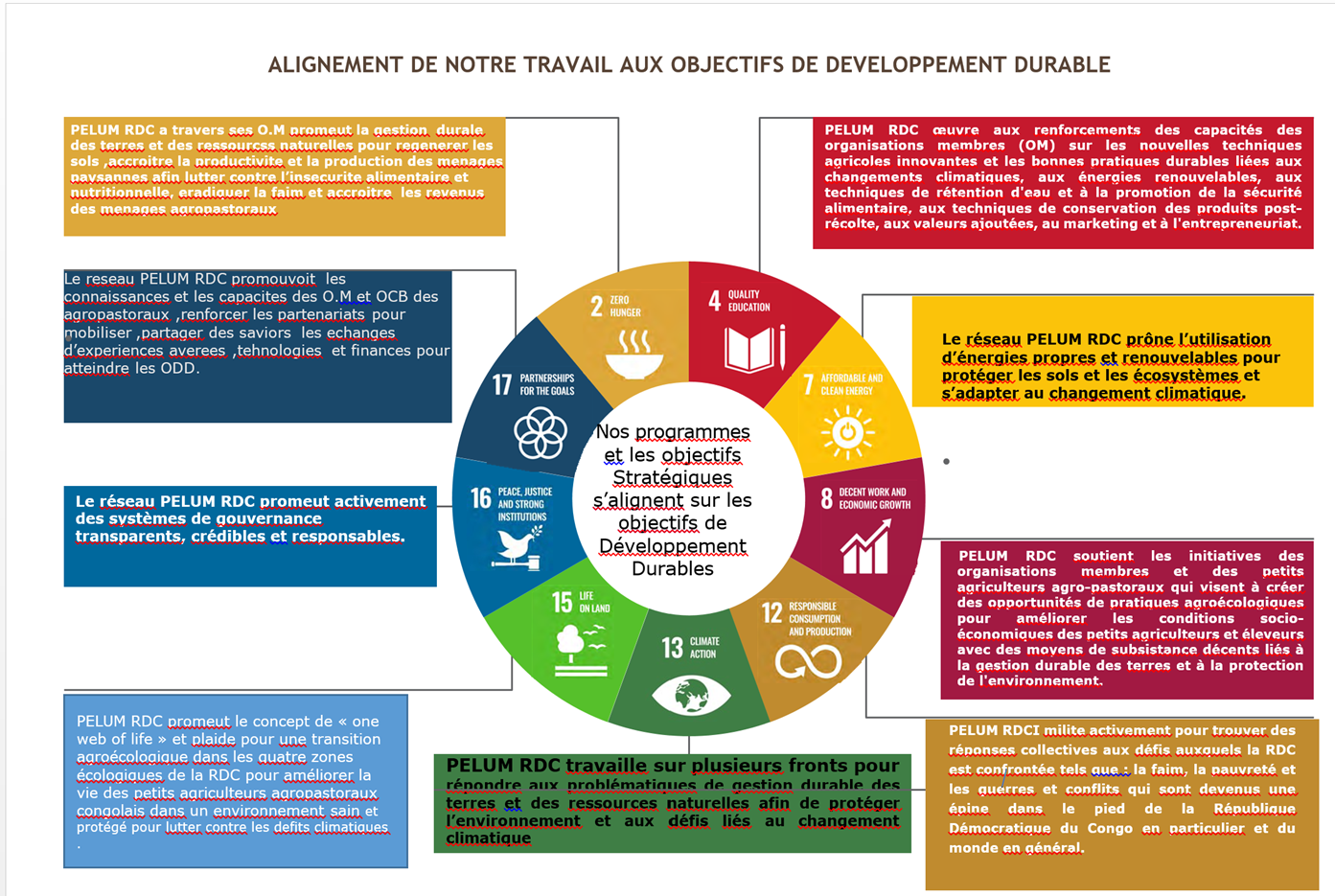
The plan sets out five objectives for the 2025-2027 cycle.
Contribute to the promotion of sustainable land and peasant seed management in the DRC.
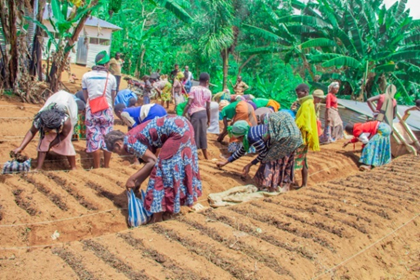
Promote agriculture that responds better to climate change and environmental pressure.
Strengthen entrepreneurship, agroecology and territorial market development.
Strengthen the resilience and inclusion of vulnerable farmers, especially women and youth.
Strengthen the institutional capacities of the network and member organisations.
Context and Rationale
Food insecurity, climate change, degraded soils, weak extension services and market barriers shape the context in which PELUM-RDC works.
The plan explains that eastern DRC faces high food insecurity, malnutrition, soil degradation, repeated conflict, limited support services for farmers and climate-related shocks. Against this background, PELUM-RDC seeks to support a resilient and sustainable food system centred on regenerative, nutrition-focused and market-oriented agriculture.
It also emphasises stakeholder consultation, SWOT analysis, evidence-based planning and the mobilisation of human, material and financial resources for implementation.
Implementation
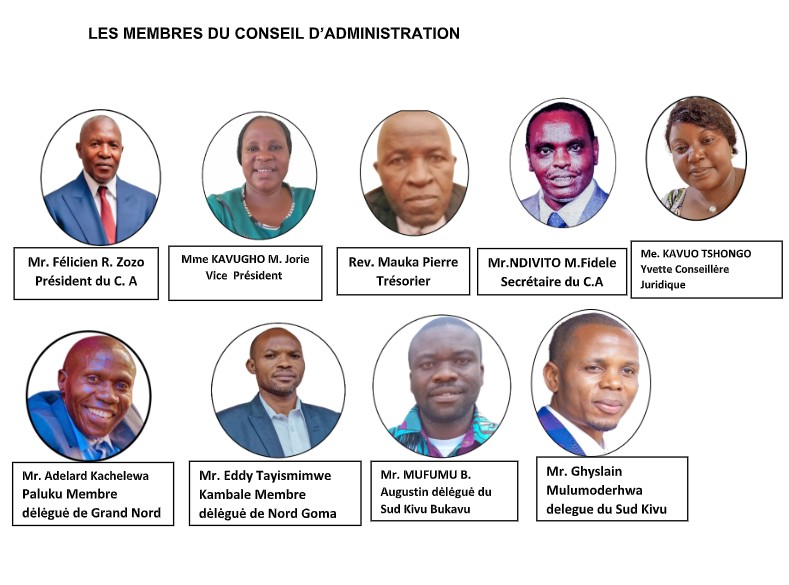
The plan outlines the roles of the Board, the National Coordinator, staff, annual planning, monitoring tools and resource mobilisation.
Implementation is anchored in the daily work of the organisation. The Board provides policy guidance and approves major allocations, while the Country Coordinator leads execution, performance review and reporting. Monitoring and evaluation tools, annual planning and a web-based data system are proposed to track progress and learning.
The plan also identifies staffing, equipment, transport, office infrastructure, fundraising and partnerships as key conditions for successful implementation.
No 34, Avenue Osso, Quartier Mabanga,
Commune de Karisimbi, Ville de Goma,
Province du Nord Kivu,
Democratic Republic of Congo
+243 997 858 508 / +243 998 668 680
pelumrdcongo@gmail.com
Monday - Friday
Saturday
Sunday