Call Us
+243 997 858 508 / +243 998 668 680Mail Us
pelumrdcongo@gmail.comAddress
No 34, Avenue Osso, Quartier Mabanga,Commune de Karisimbi, Ville de Goma,
Province du Nord Kivu,
Democratic Republic of Congo
Brief of PELUM RDC, mission, mandate, values and national institutional identity.
Brief of PELUM RDC
A national network for agroecology, sustainable land use management and resilient livelihoods in the Democratic Republic of Congo.
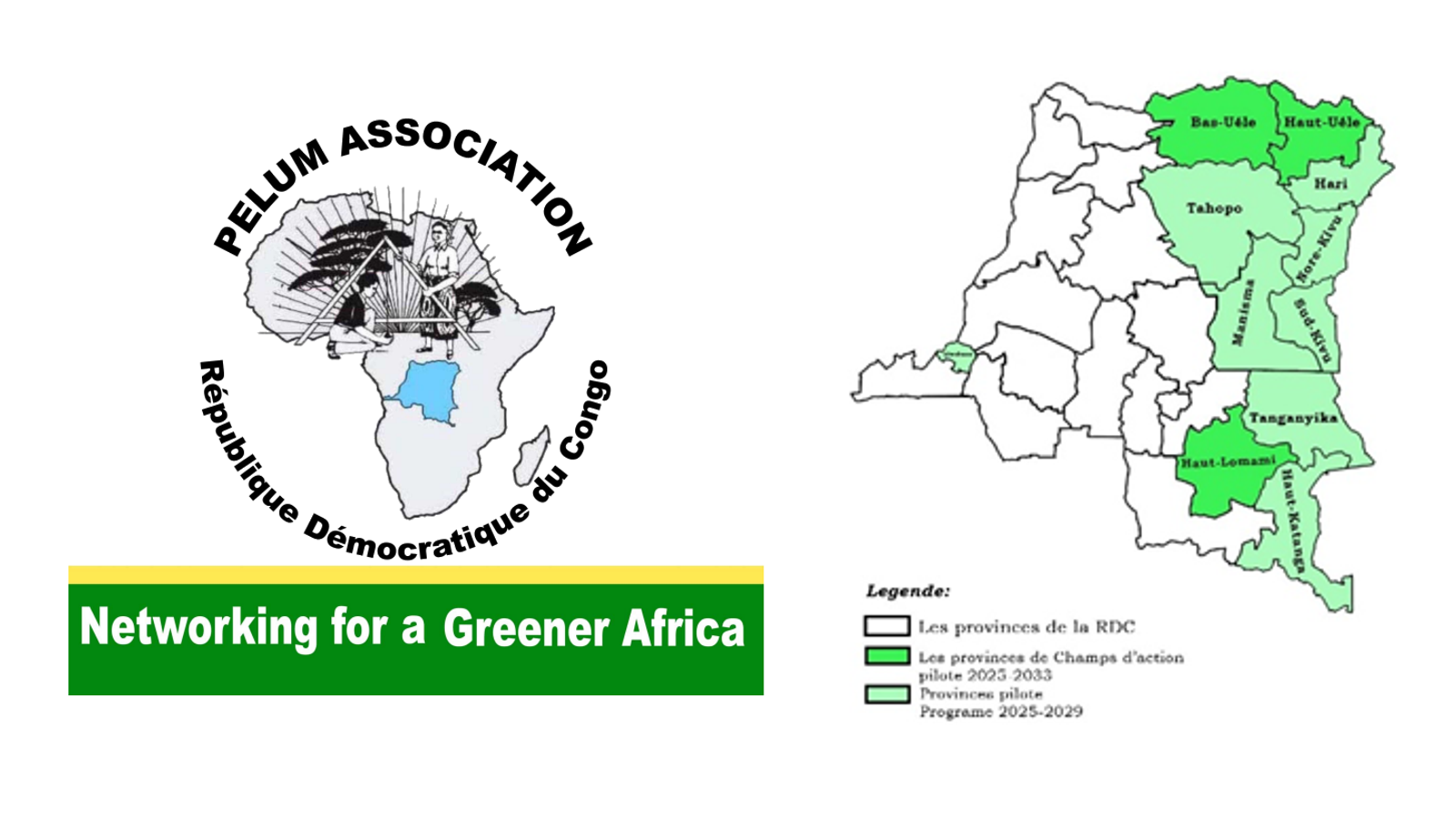
Participatory Ecological Land Use Management of the Democratic Republic of Congo (PELUM-RDC) was created in Goma on 19 October 2019 by ten founding civil society organisations from North Kivu and South Kivu. After the COVID-19 interruption, the network relaunched activities in 2023, strengthened its legal registration and obtained legal personality in 2024.
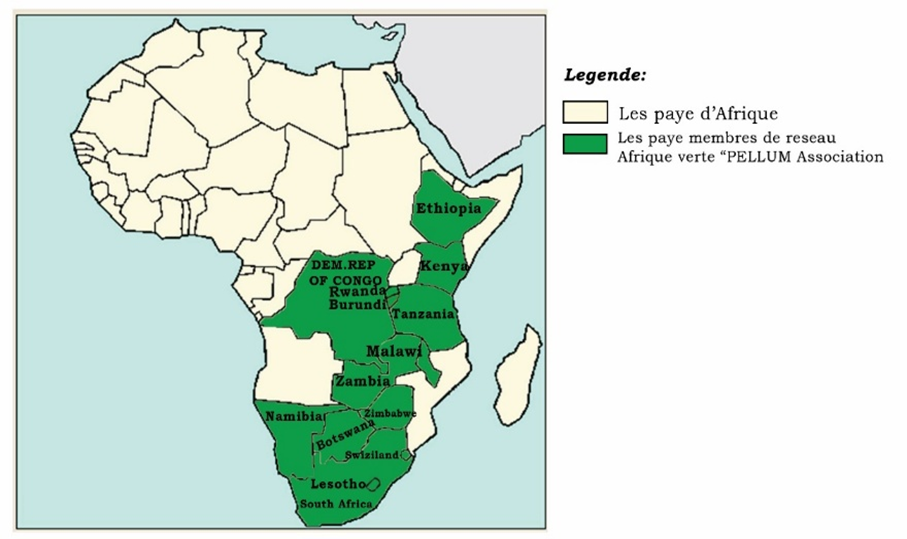
PELUM-RDC now brings together seventeen member organisations from North Kivu, South Kivu, Maniema, Ituri and Kinshasa. As a chapter of PELUM Association, it promotes agroecology, sustainable land and natural resource management, knowledge sharing, advocacy and better livelihoods for small-scale agro-pastoral farmers, women and youth.
Core Identity
Three anchors define the work and direction of PELUM-RDC.
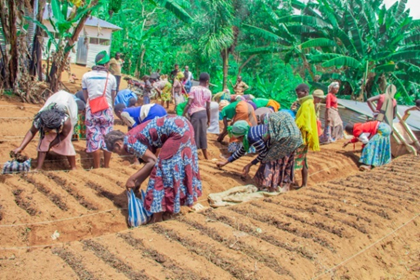
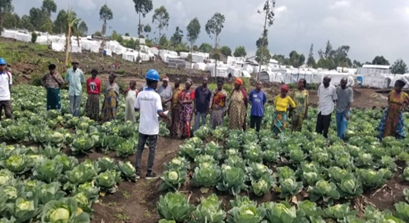
Prosperous farmers and breeders derive their livelihood from ecological and organic agriculture.
Strengthen the capacities of member organizations in ecological, organic and biological agriculture to improve the livelihoods of small farmers through training, support in resources, equipment, action research and capitalization.
Strengthen member organizations so that they can promote ecological, organic and biological agriculture through sustainable land management, environmental protection, networking, documentation, communication, advocacy and resource mobilisation.
Values
These values shape the network’s culture, partnerships and programme delivery.
Recognition of equal status, rights, opportunities, mutual respect and inclusive development.
Participatory and inclusive decision-making in the best interests of the populations served.
Programmes and projects that protect natural resources for today and future generations.
Responsibility and transparency in action, partnerships and the use of resources.
Reliability, competence, respect, integrity and the sharing of technical skills.
Pragmatic and creative problem-solving in response to changing agricultural realities.
Added Value
The network creates space for collaboration, learning, advocacy and stronger practice.
No 34, Avenue Osso, Quartier Mabanga,
Commune de Karisimbi, Ville de Goma,
Province du Nord Kivu,
Democratic Republic of Congo
+243 997 858 508 / +243 998 668 680
pelumrdcongo@gmail.com
Monday - Friday
Saturday
Sunday